Buying Guides13 min read
Carfax VIN Verify: How to Check a VIN Before You Buy
By Carfax Vin Check team · Automative Writer
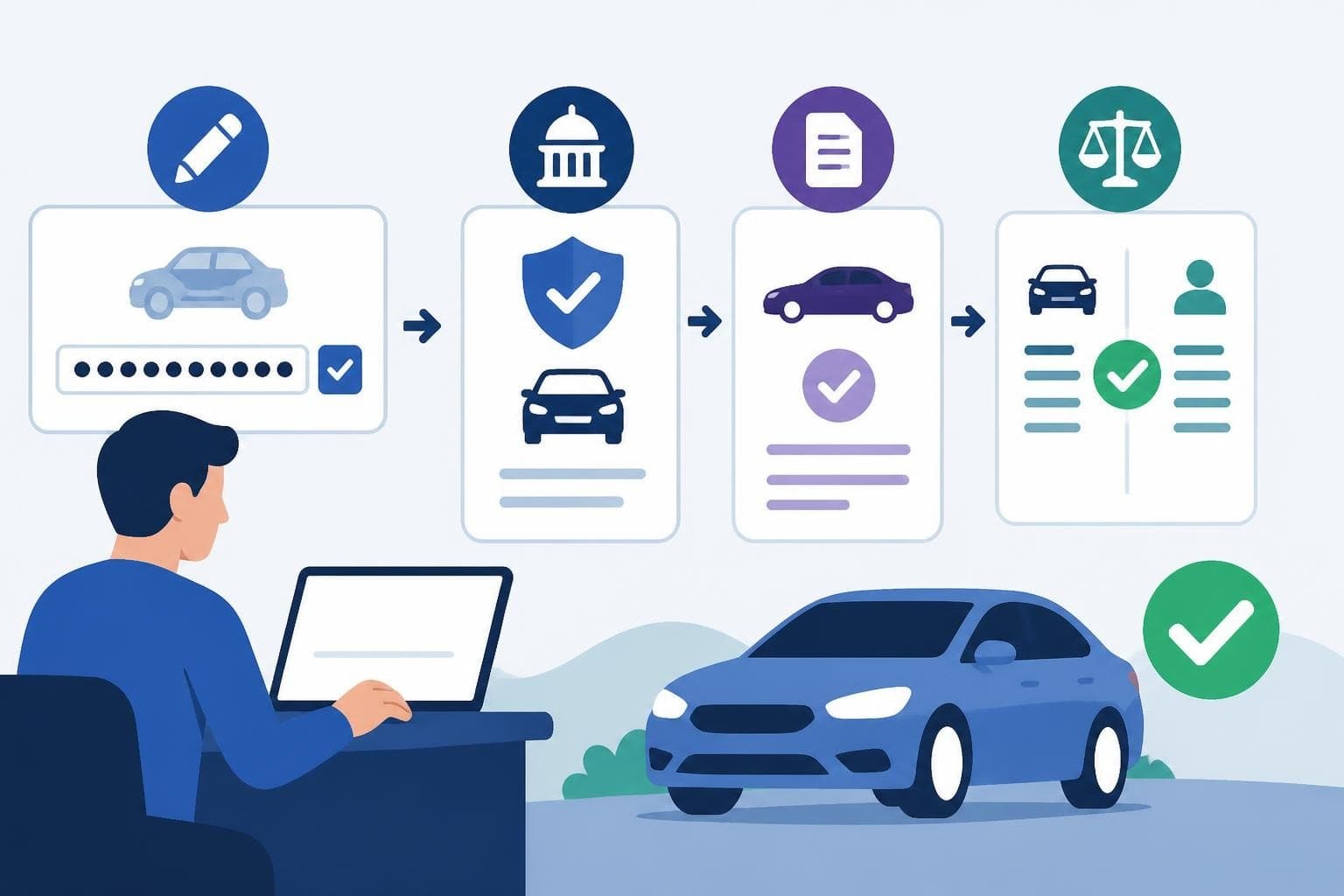
Buying a used car means trusting what a stranger tells you about a machine worth thousands of dollars. The vehicle identification number gives you a way to check those claims. When you carfax vin verify a vehicle, you're confirming that the metal in front of you matches the paperwork, the seller's story, and the history databases that track accidents, titles, and ownership. Most buyers skip this step and regret it later. This guide walks you through how VIN verification works, what to check, and how to avoid the scams that target rushed buyers.
What carfax vin verify actually means
The phrase "carfax vin verify" shows up in search results because buyers mix two separate tasks. One is verifying that a VIN is valid and matches the car. The other is pulling a Carfax report using that VIN to see the vehicle's history.
VIN validation checks the format. A real VIN has 17 characters, excludes the letters I, O, and Q to avoid confusion with numbers, and includes a check digit that mathematically confirms the other characters. The NHTSA's official VIN Decoder can confirm whether a VIN follows the rules and decode what year, make, model, and factory it represents.
VIN verification means matching the VIN on the car to the VIN on the title, to the VIN in a history report, and to the vehicle standing in front of you. Scammers swap VINs, sellers mistype them, and clerical errors happen at DMVs. You need to check every source.
Where to find the VIN on a vehicle
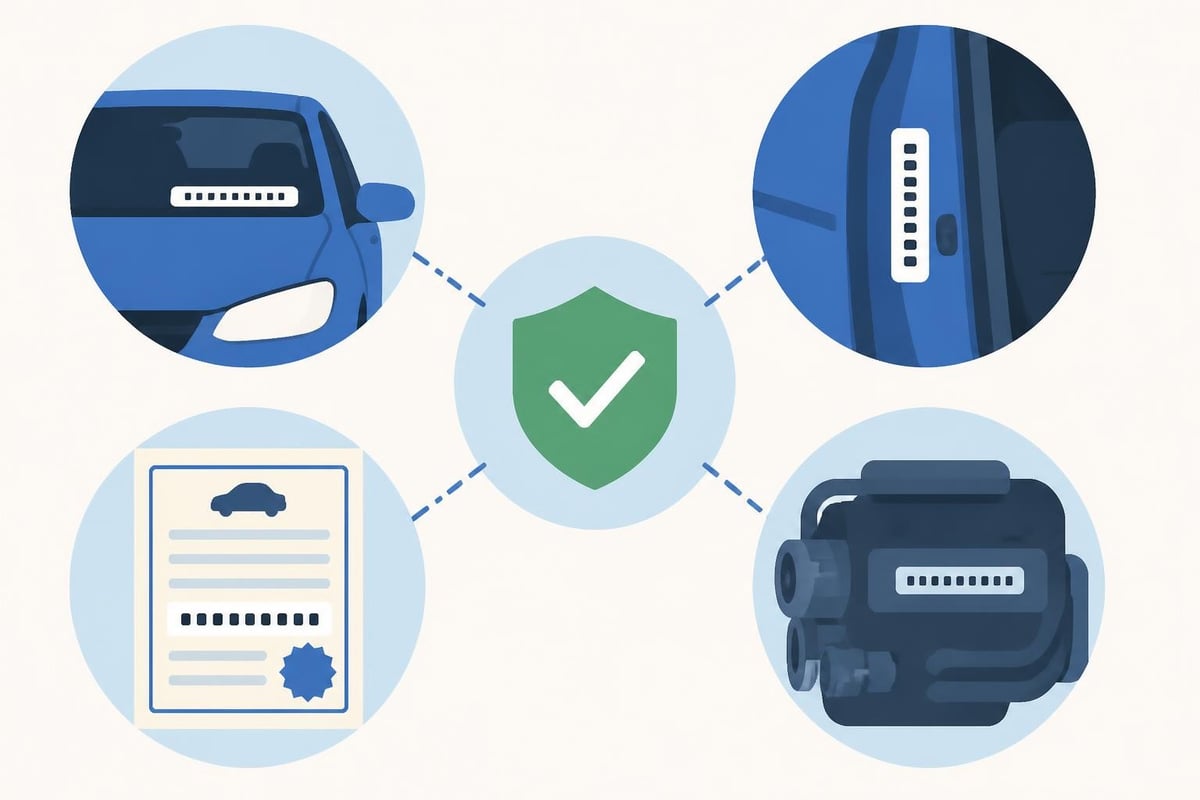
The VIN appears in multiple places, and they should all match:
- Dashboard plate: visible through the windshield on the driver's side, at the base of the glass
- Driver's door jamb: on a sticker that also lists tire pressure and paint codes
- Title and registration: printed on the ownership documents
- Insurance card: listed on current coverage proof
- Engine block or frame: stamped into metal, though location varies by manufacturer
If any VIN doesn't match the others, walk away. That's a red flag for a cloned vehicle or title fraud.
How to decode a VIN before pulling history
The Electronic Code of Federal Regulations (49 CFR Part 565) defines what each VIN position means. Understanding the structure helps you spot problems before spending money on a report.
Position Meaning Example 1-3 World Manufacturer Identifier (WMI): country and maker 1G1 = Chevrolet (USA) 4-8 Vehicle attributes: model, body, engine, restraint system varies by manufacturer 9 Check digit: calculated from other positions to catch errors 0-9 or X 10 Model year: cycles through letters and numbers N = 2022, P = 2023, R = 2024 11 Assembly plant: factory where built varies by manufacturer 12-17 Serial number: unique production sequence 000001 through 999999The NICB Passenger Vehicle Identification Manual breaks down manufacturer-specific patterns. A Toyota VIN looks different from a Ford VIN in positions 4 through 8, but all follow the same federal framework.
Common VIN decoding mistakes
Buyers often decode position 10 wrong because the year code cycles. The letter R indicates 2024, but it also indicated 1994. You need to look at the entire VIN pattern and context to determine the actual year. A car advertised as a 2024 model with a VIN starting with 1G1RN might be legitimate, but the same VIN on a listing claiming it's a 2025 should raise questions.
The check digit in position 9 catches most typos. If you type a VIN and the check digit doesn't match what a VIN validator calculates, you made a typo or the seller gave you a fake number.
Running a carfax vin verify check step by step
Once you've confirmed the VIN format and location, you need to verify it against external data. Here's the sequence that catches the most problems:
- Write down the VIN from the dashboard plate while standing at the car, before talking price
- Check the door jamb and confirm it matches exactly
- Ask for a photo of the title and compare that VIN to what you wrote down
- Decode the VIN using a free federal tool to confirm year, make, model, and body style
- Compare the decoded data to what the seller advertised and what you see in person
- Pull a full vehicle history report using the verified VIN
- Cross-reference the report details (especially ownership history and title events) to the seller's story
Most people skip step 4. They assume the seller's listing is honest and jump straight to buying a history report. But if the VIN decodes to a different trim level, engine, or even model than what's advertised, you've spotted a problem before spending any money.
What to do when VINs don't match
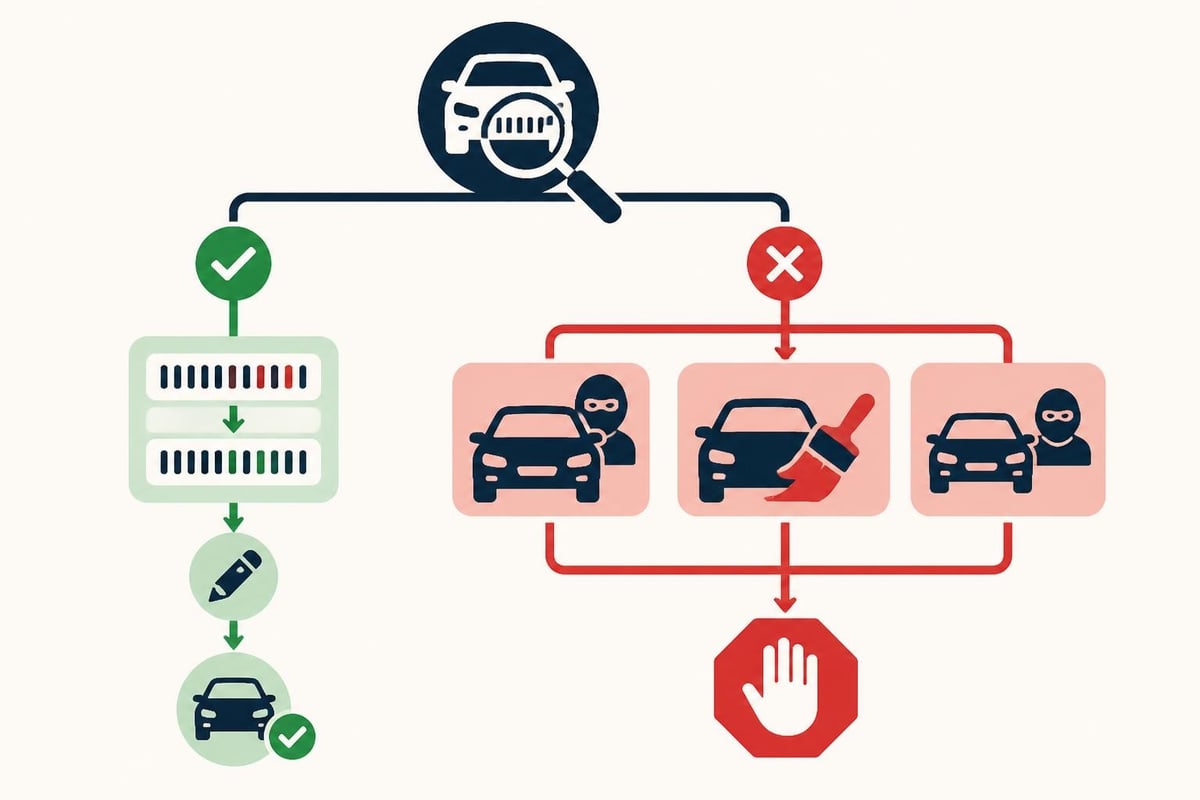
A mismatched VIN means one of four things happened:
- Clerical error: someone at the DMV or insurance company typed it wrong on paperwork
- Seller mistake: they advertised the wrong VIN, often copying from a similar car they own
- Title washing: the vehicle has been moved across state lines to hide a salvage or flood brand
- VIN cloning: the plate and stickers were swapped from a similar wrecked vehicle to hide theft
The first two are fixable. Ask the seller to double-check their records and provide corrected documents. The last two are fraud. A VIN that's wildly different from the paperwork is almost never an accident.
What a full Carfax report shows after VIN verification
After you've verified the VIN physically and decoded it, a Carfax report fills in the history. The report uses the VIN to search databases from DMVs, insurance companies, repair shops, and auction houses across the US and Canada.
Key sections in a Carfax report:
- Title information: clean, salvage, rebuilt, flood, hail, lemon law buyback
- Accident history: dates, damage severity, airbag deployment
- Ownership timeline: how many owners, how long each kept it, personal vs. commercial use
- Odometer readings: readings from inspections, registrations, and service visits
- Service records: oil changes, tire rotations, and major repairs when reported
- Open recalls: federal safety campaigns that need repair
The report doesn't know everything. It only shows what someone reported to a database Carfax monitors. A fender-bender fixed with cash at a local shop won't appear. But major damage, insurance claims, and title changes almost always do. You can see a sample report to understand what's included.
Report finds What it means for you Clean title, one owner, regular service Low risk; verify condition matches records Accident reported, no structural damage Medium risk; inspect repair quality carefully Salvage or rebuilt title High risk; needs expert inspection, worth much less Odometer discrepancy Serious fraud; walk away Multiple owners in short time Possible chronic problems; dig deeperCommon VIN verification problems and fixes
You'll hit these issues eventually if you check enough cars.
The VIN plate looks tampered with
Dashboard VIN plates are riveted in place. If the rivets look shiny, new, or different from surrounding metal, someone replaced the plate. Door jamb stickers can be peeled and re-stuck, but they usually tear or leave residue.
Look for these tampering signs:
- Rivets that don't match factory style
- Scratches or tool marks around the plate
- Misaligned sticker borders
- Different fonts or spacing from original labels
If you suspect tampering, check the VIN stamped into the engine block or frame. This requires looking under the hood and sometimes crawling under the car, but it's much harder to alter.
The seller only provides a partial VIN
Some online listings show only the last 8 digits. Dealers do this to prevent history-shopping before you visit. That's normal for dealership ads.
Private sellers who refuse to share the full VIN before meeting have something to hide. You need all 17 characters to decode and verify anything meaningful. A partial VIN might match multiple vehicles. Our free VIN decoder only works with complete VINs for this reason.
The VIN decoder shows different specs than advertised
The seller says "V8 engine" but the VIN decodes to a V6. The ad claims "Limited trim" but the decoder shows "Base." These mismatches happen more often than buyers expect.
Sometimes the seller genuinely didn't know. They bought the car used, trusted what they were told, and never checked. Other times they're lying to get a higher price. Either way, you negotiate based on what the VIN proves, not what the ad claimed.
Multiple Carfax reports for the same VIN show different data
Carfax updates reports as new information arrives. A report from last month might not show an accident that got processed this week. Always pull a fresh report when you're serious about buying. Don't trust a report the seller hands you, even if it's recent. They might have an older clean copy from before a problem appeared.
If you're buying report packs to check multiple vehicles, unused credits never expire, so you can verify the same VIN again later if the timeline matters.
How VIN cloning works and how to spot it
VIN cloning is the scam that verification catches. A thief steals a car, then finds a similar wrecked vehicle in a junkyard. They copy that wreck's VIN onto the stolen car using fake plates and stickers. When a buyer runs the cloned VIN through Carfax, they see a clean history for the wrecked vehicle, not the stolen one.
The verification that catches cloning:
- The physical VIN locations won't all match perfectly (wrong font, improper spacing, or alignment)
- The decoded VIN might show different equipment than what's actually on the car (wrong engine size, missing features)
- The title might be a duplicate or from a different state than where the car was originally sold
- The history report shows the car in one state while the seller is in another, with no logical explanation
You can read more about how VIN cloning scams work and the patterns that give them away. Most cloned VINs get caught when someone compares the dashboard plate's font and rivets to factory photos online.
Free verification tools vs. paid Carfax reports
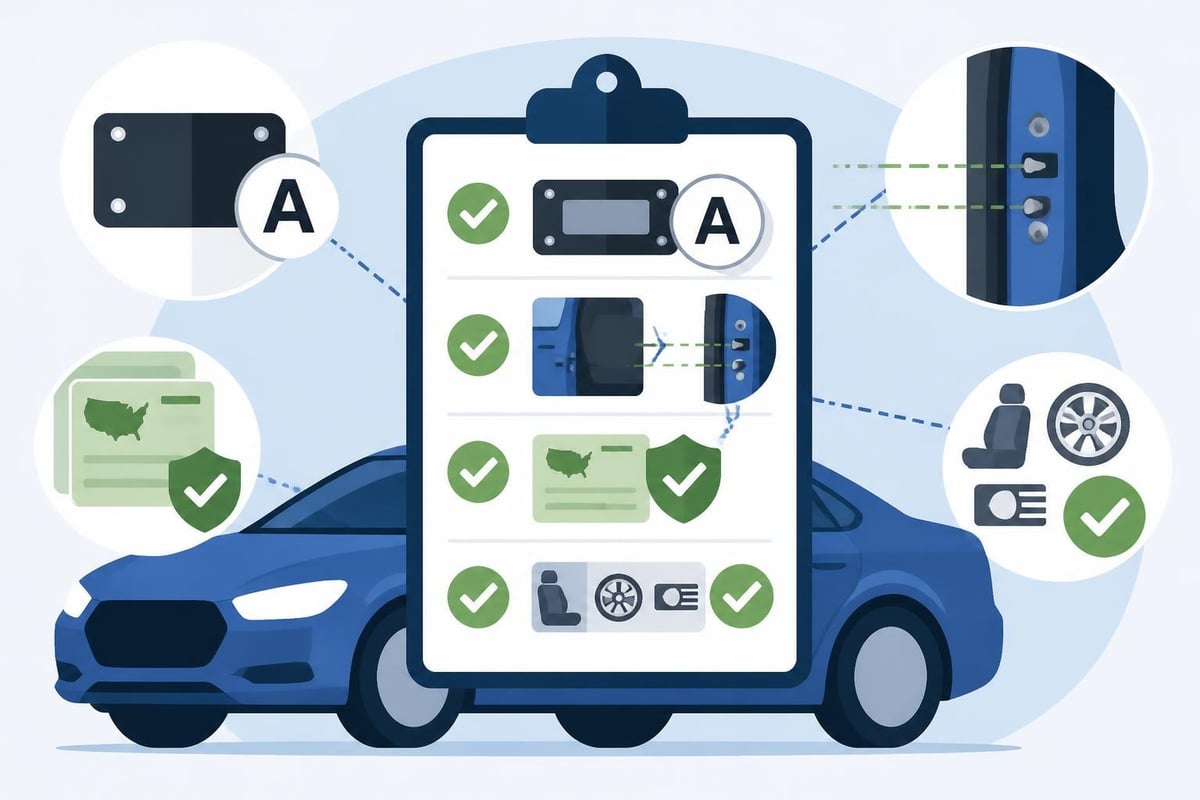
You can verify a VIN's format and decode its basic information without paying anything. Federal databases provide year, make, model, body style, and engine size for free. That's enough to catch listing errors and obvious fraud.
What free tools give you:
- Format validation (17 characters, correct check digit)
- Manufacturer and assembly plant identification
- Model year and basic specifications
- Open safety recalls from NHTSA
What you need a Carfax report for:
- Accident history and damage severity
- Title brands (salvage, flood, rebuilt)
- Ownership timeline and odometer readings
- Service and maintenance records
- Theft and lien records
The free tools confirm you're looking at the right vehicle. The paid report tells you whether that vehicle is worth buying. Most buyers should use both. Decode first, then pull history if the decoded data matches what you expected.
Title verification alongside VIN checks
The VIN on the title should match the VIN on the car, but you also need to verify the title itself. A legitimate title has watermarks, raised seals, and security features that vary by state. Scammers print fake titles that look convincing at first glance.
Title verification checklist:
- Does the VIN on the title match all physical VIN locations?
- Is the seller named on the title as the current owner?
- Are there any liens listed that haven't been released?
- Does the title show "clean," "salvage," "rebuilt," or another brand?
- Are there erasures, cross-outs, or white-out marks?
- Does the paper match your state's current title format and security features?
Some states let you verify a title number online through their DMV website. If the number on the paper doesn't exist in the state database, it's fake. You can also check for outstanding liens that might complicate ownership transfer.
Using carfax vin verify for multiple vehicles
If you're shopping seriously, you'll check several cars before buying. Budget your time and money by verifying VINs in stages.
Efficient multi-car verification workflow:
- Collect VINs from all interesting listings (ask sellers via message)
- Decode each VIN using free federal tools to confirm specs match ads
- Eliminate cars where decoded data contradicts the listing
- Pull full history reports only for the vehicles that pass free verification
- Schedule in-person inspections only for cars with clean histories
This approach costs less and wastes less time. You might decode 10 VINs, pull reports for 4, and actually drive to see 2. The VIN decode step eliminates the obvious mismatches before you invest in reports or drive across town.
Buying reports in larger packs saves money per report. See our pricing page for pack options. Credits never expire and unused credits are refundable within 30 days, so you can buy enough for serious shopping without worry.
Regional differences in VIN verification
US and Canadian VINs follow the same 17-character structure, but each country has different title and registration rules that affect how you verify vehicles.
Verification factor United States Canada Title storage Owner holds paper title Province holds title; owner gets registration Lien release Marked on title Separate lien discharge document Import/export records Customs declarations tracked Same, plus provincial import fees Metric vs. imperial Odometer in miles Odometer in kilometers; convert carefullyWhen you carfax vin verify a Canadian vehicle for import to the US, pay special attention to odometer readings. A car showing 150,000 might mean 150,000 kilometers (about 93,000 miles) or 150,000 miles. The history report usually clarifies, but sellers sometimes confuse the units.
When VIN verification isn't enough
A clean VIN and a clean Carfax report mean the car's documented history looks good. They don't guarantee the car runs well or that the seller is honest about recent condition.
What VIN verification doesn't tell you:
- Current mechanical condition (engine, transmission, brakes)
- Quality of previous accident repairs
- Undisclosed recent damage fixed without insurance
- Aftermarket modifications or tuning
- Actual remaining life in major components
You still need a pre-purchase inspection by a mechanic you trust. The VIN check and history report tell you what happened to the car. The inspection tells you what the car's condition is right now. Both matter. You can learn more about how Carfax reports compare to pre-purchase inspections and why you should do both.
How quickly you should verify a VIN
Timing matters when checking used cars. If you wait too long, someone else buys it. If you rush, you miss red flags.
Verification timeline for a typical purchase:
- Day 1: Get VIN from seller, decode for basic match, check photos against decoded specs
- Day 2: Pull Carfax report if decode checks out; review for title brands and accident history
- Day 3: If history is clean, schedule inspection or visit to verify VIN physically on the car
- Day 4: Bring mechanic or inspector, test drive, negotiate based on findings
Reports usually arrive in about a minute, so you can pull one while messaging with a seller and decide immediately whether to pursue the car. Credits that can't produce a report go back to your account automatically, so there's no risk requesting a report for a VIN that turns out to be invalid.
Red flags that VIN verification reveals
Certain patterns in VIN checks and history reports should make you walk away regardless of price.
Automatic deal-killers:
- VIN doesn't match between dashboard, door jamb, and title
- Check digit validation fails (VIN is mathematically impossible)
- Decoded year/make/model contradicts what you can see on the car
- Multiple salvage or flood title brands
- Odometer shows rollback or tampering
- Theft recovery record in history
- Commercial fleet or rental use for most of the vehicle's life
Proceed-with-caution warnings:
- Single accident with minor damage reported
- Title transferred across state lines multiple times
- Long gaps between service records or ownership periods
- Recent title activity (flipped quickly)
The first group means fraud, severe damage, or fundamental problems. Don't try to fix someone else's disaster. The second group means higher risk but potentially manageable if you inspect carefully and negotiate a lower price.
Insurance and financing implications of VIN history
Lenders and insurance companies run their own VIN checks before approving coverage or loans. What they find affects whether they'll work with you and what rates they'll offer.
A car with a salvage title can be harder or more expensive to insure than a clean title. A vehicle with multiple accidents might get declined for comprehensive coverage. Lenders often refuse to finance salvage or rebuilt titles at all, meaning you'd need to pay cash.
When you carfax vin verify before making an offer, you see the same history the lender and insurer will see. That lets you know whether financing and insurance are even possible, which should affect your maximum offer price.
State-specific title brands and how they appear in VIN reports
Each state uses different language for the same title problems. What California calls "salvage" might be called "certificate of destruction" in Texas. Carfax translates these into standard categories, but you should know what your state considers sellable.
Common title brand variations:
- Salvage: vehicle deemed total loss by insurance; may or may not be repairable
- Rebuilt/Reconstructed: formerly salvage vehicle that's been repaired and inspected
- Flood/Water damage: submerged to a level that triggers automatic total loss
- Hail damage: extensive hail required uneconomical body repairs
- Lemon law buyback: manufacturer repurchased due to unfixable defects
- Junk/Non-repairable: vehicle may not be titled for road use again
You can learn more about how salvage titles appear on Carfax reports and what they mean for resale value. Some states allow rebuilt titles back on the road but mark them permanently. Others don't distinguish rebuilt from clean after inspection.
Verifying a VIN before you buy protects you from spending thousands on someone else's problem. Decode the VIN to confirm it matches the listing, check the physical locations to catch cloning or swaps, and pull a full history to see what the car's been through. These steps take less than an hour and catch most of the scams that target used-car buyers. Carfax Vin Check makes it simple to get the detailed vehicle history you need, with reports starting at a fraction of what you'd pay elsewhere and delivered to your inbox in about a minute.
Check the car before you buy it
The full Carfax report for $7.99, or $3.50 each in a 20-pack.