Vehicle History12 min read
Vehicle History Com: What Buyers Need to Know in 2026
By Carfax Vin Check team · Automative Writer
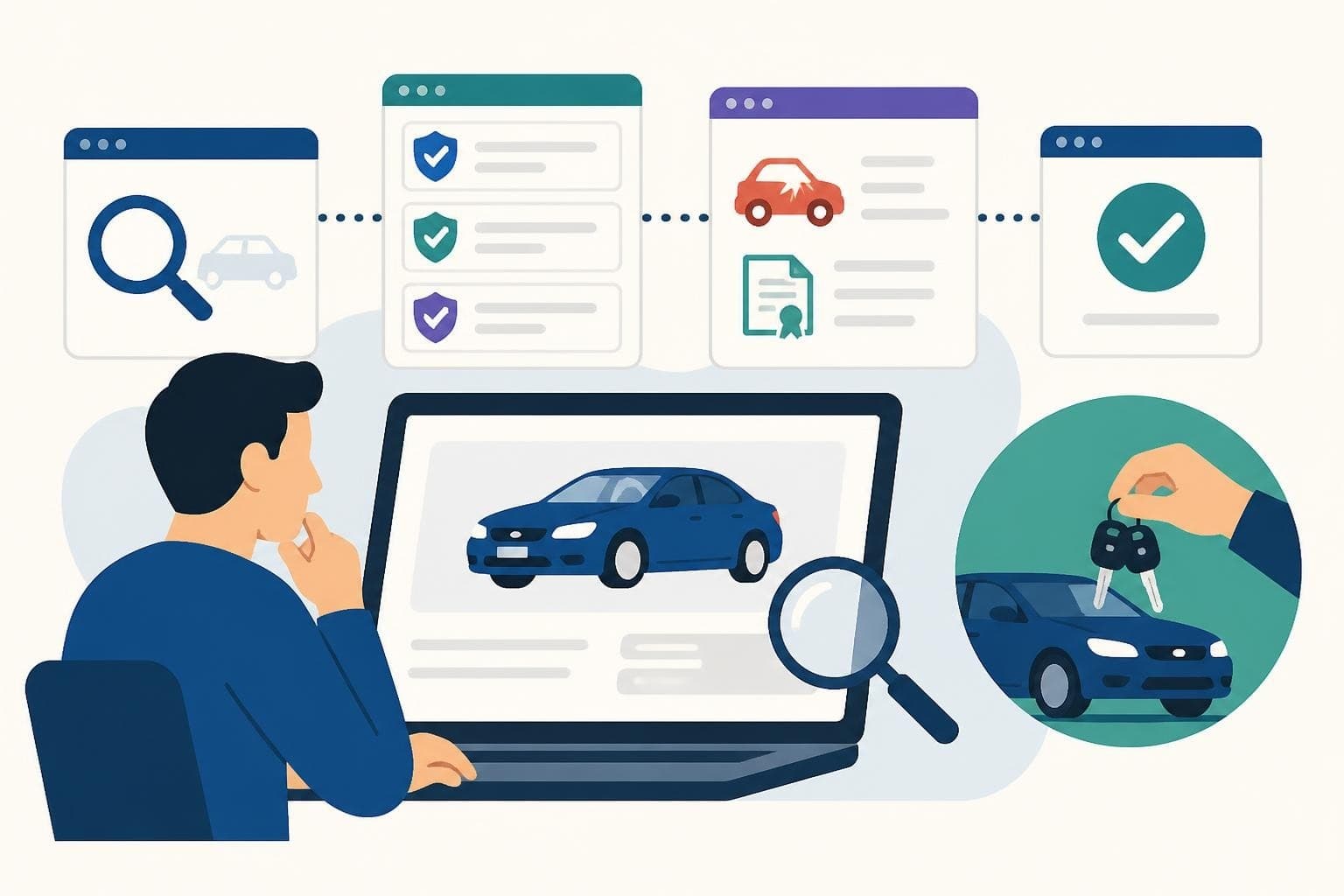
When you search "vehicle history com" online, you're looking for a way to check a used car's background before you buy. The phrase sounds like a specific website, but it's really just how thousands of people describe what they need: a vehicle history report. Understanding what these reports actually show, where the data comes from, and which services deliver reliable information can save you from buying a car with hidden damage, title problems, or odometer fraud. This guide walks through what you should know when searching for vehicle history information in 2026.
What people mean when they search vehicle history com
Most searches for vehicle history com are from buyers who want to pull a background check on a specific car. They've found a listing online or they're standing on a dealer lot, VIN in hand, and they need answers fast.
The search intent breaks into a few categories:
Buyers looking for the official vehicle history website
People trying to remember the name of a specific report provider
Shoppers comparing free versus paid history reports
Users hunting for the cheapest way to get Carfax data
There isn't actually a single "vehicle history com" website that dominates the market. Instead, several companies compete in this space, each pulling from overlapping but slightly different data sources. The confusion makes sense because vehicle history reports all solve the same problem: revealing what happened to a car before you saw it for sale.
The major players in vehicle history reporting
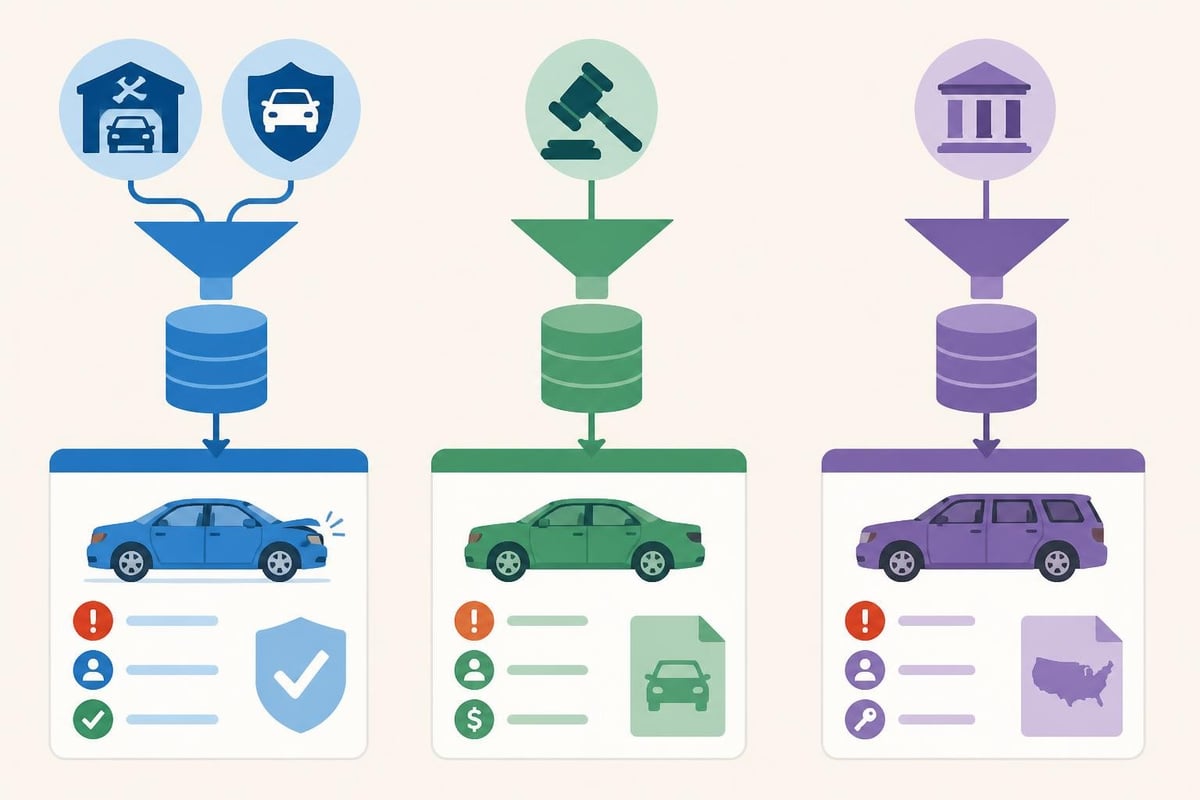
Three names dominate when buyers search for vehicle history information. Carfax remains the most recognized brand, referenced in dealer ads and private listings across the country. AutoCheck, owned by Experian, offers similar reports with a different scoring system. The National Motor Vehicle Title Information System (NMVTIS) provides government-backed data through approved providers, usually at lower prices.
Each service has strengths and gaps. Carfax collects data from many sources, including service shops, insurance companies, and state DMVs. AutoCheck emphasizes auction data and uses a numerical score to rate vehicles. NMVTIS focuses on title history, brands, and total-loss records but often lacks accident details and service records.
What data actually appears in vehicle history reports
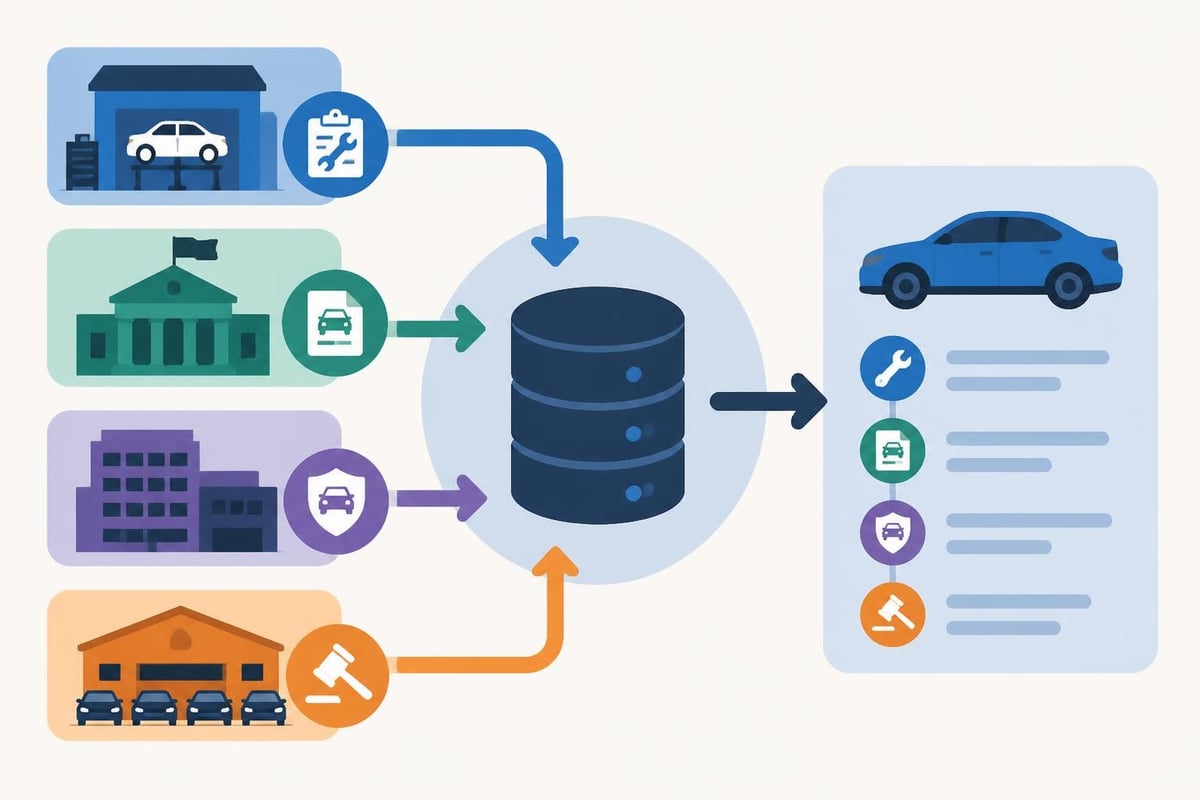
A proper vehicle history report pulls together records from state DMVs, insurance claim databases, auto auctions, collision repair facilities, and service centers. The goal is to reconstruct a car's timeline from the factory to today.
Title and ownership information:
Total number of previous owners
States where the car was registered
Title brands like salvage, rebuilt, flood, or lemon law buyback
Date and odometer reading at each title transfer
The California DMV explains how title brands work and why they matter. A salvage title means an insurance company declared the car a total loss after an accident, theft, or flood. Even after repair, that brand stays with the vehicle forever. Rebuilt titles indicate someone fixed a salvaged car and it passed state inspection, but resale value is usually well below a clean-title equivalent.
Accident and damage records
Reports show accidents reported to insurance companies or police, along with severity indicators. You might see "minor damage," "moderate damage," or "severe damage" depending on repair costs and airbag deployment.
A minor entry usually means cosmetic damage. Moderate often means body panels were replaced. Severe can mean frame damage or deployed airbags, and is worth an inspection before you go further.
Not every accident appears in reports. If someone paid cash for repairs and never filed an insurance claim, that damage won't show up. This is why a clean report doesn't guarantee a perfect car. You still need a pre-purchase inspection by a mechanic who can spot hidden repairs.
How vehicle history com searches connect to data sources
When you run a report, the provider queries databases that collect records from thousands of contributors. Understanding these data sources helps you know what gaps might exist.
The NMVTIS federal database
Created by Congress in 2009, the National Motor Vehicle Title Information System requires all states to report title information to a central database. It captures title brands, odometer readings at title transfers, and total-loss records from insurance companies.
NMVTIS coverage is mandatory but not instantaneous. States update at different speeds, sometimes with a lag of several weeks. This means a car titled in another state last month might not show that transfer yet when you run a report today.
All 50 states participate, plus DC and US territories
Insurance carriers report total-loss vehicles within required timeframes
Auto recyclers and junkyards report vehicle acquisitions
Data goes back to each state's implementation date, not before
The system works well for catching title washing, where someone moves a salvage car to a state with looser rules and tries to get a clean title. Because NMVTIS follows the VIN across state lines, those schemes show up in reports.
Service and repair records
Carfax built its reputation by collecting maintenance records from franchised dealers, independent repair shops, quick-lube chains, and emissions testing stations. When a shop enters your VIN into their system, that service visit can flow into Carfax databases.
This data helps verify odometer readings and proves regular maintenance. A car with 15 oil changes recorded over eight years shows someone cared for it. Zero service records might mean the owner used independent mechanics who don't report data, or it might mean neglect.
Common service record sources:
Franchised new-car dealerships (most consistent reporting)
National chains like Jiffy Lube, Pep Boys, Firestone
State emissions inspection programs
Extended warranty companies tracking claims
If you're comparing reports and one shows more service history than another, it's because providers have contracts with different data contributors. No single company captures everything.
Odometer fraud and how reports catch rollbacks
Odometer tampering remains one of the most common vehicle frauds, and the US Department of Justice still prosecutes it. Scammers roll back digital odometers to make high-mileage cars appear fresher, boosting sale prices by thousands.
Vehicle history reports catch many rollback attempts by comparing odometer readings over time. If a car showed 87,000 miles at a service visit in 2024, then 62,000 miles when titled in 2025, the report flags that as a problem.
How rollback detection works
Every time a shop, inspection station, or DMV records a VIN, they usually capture the odometer reading. Reports stack these readings chronologically. When a newer reading is lower than an older one, or when the pattern doesn't match typical annual mileage, the system flags an inconsistency.
Red flags in odometer history:
Readings that decrease between records
Jumps that average over 30,000 miles per year without explanation
Rounded numbers repeated across multiple records (51,000, 52,000, 53,000)
Gaps in history during years when mileage should have been recorded
Not all inconsistencies mean fraud. Data entry errors happen. A technician might transpose digits or misread a gauge. But multiple rollback flags across different sources strongly suggest tampering. You can learn more about odometer rollback detection and what to look for in report details.
Privacy concerns with vehicle history searches
Your VIN contains encoded information about your car's make, model, year, and factory options. When you run a vehicle history com search, that query creates a record. Who sees that data and what they do with it matters more in 2026 than ever before.
Modern vehicles transmit data constantly. A Consumer Reports investigation found that cars built after 2020 often share location, driving behavior, and even biometric data with manufacturers, insurance companies, and third-party data brokers. This data can be tied back to specific VINs.
What happens when you search a VIN
Legitimate vehicle history providers don't share your search history with car dealers or sellers. But some free services monetize by alerting dealers when someone looks up their inventory. The dealer gets a lead, and you might get a phone call.
Questions to ask before using any VIN lookup service:
Do you sell my search data to third parties?
Will the car's owner be notified that I ran a report?
How long do you store my search history?
Can I request deletion of my data under privacy laws?
Paid services generally have stronger privacy policies because they make money from report sales, not from selling your data. Free services need revenue somehow, and user data is often the product.
Free versus paid vehicle history reports
"Free vehicle history report" is one of the most searched phrases in the used car space. Dozens of websites offer free VIN lookups, but what you get varies wildly.
What free reports actually show
Most free tools decode the VIN to show basic specifications: year, make, model, engine type, and transmission. This comes from the NHTSA vPIC database, which is public information. A free VIN decoder can confirm that the seller's description matches the actual vehicle.
Some free services pull recall data, also from public NHTSA databases. Knowing about open safety recalls before you buy helps you negotiate or plan for free dealer repairs.
What free reports usually don't include:
Accident history
Title brands and salvage records
Ownership count and registration states
Service and maintenance records
Odometer rollback flags
Lien and loan information
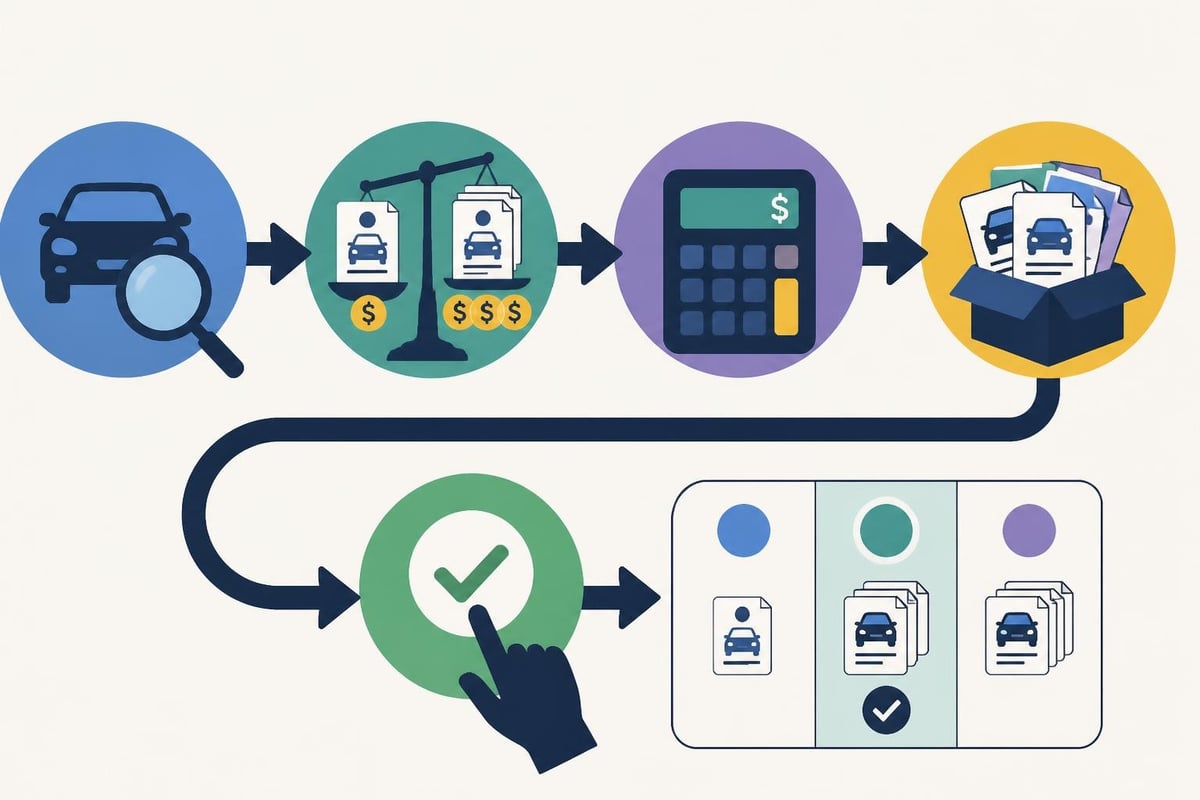
To get the full picture, you need a paid report. The question becomes which one to buy and how much to spend.
Getting affordable Carfax reports for vehicle history com searches
A single report from Carfax.com costs more than $7.99 here. That price stings when you're shopping and need to check multiple cars before finding the right one. Dealers often offer "free" Carfax reports, but they're really rolled into their asking price.
Carfax report packs let you buy credits in bulk and use them as needed. Credits never expire, and if a report can't be produced, the credit goes back automatically. This approach works well for anyone checking three or more vehicles. See our pricing page for current pack options.
One report suits a single car you're serious about. If you're comparing several, a pack brings the price down to $3.50 a report, and the bigger the pack, the less each one costs.
Reports arrive as PDFs by email and in your account, usually within about a minute. The data comes straight from Carfax databases, identical to what you'd get paying full price. You just pay less by buying in advance.
Understanding VIN cloning and title washing scams
Two sophisticated frauds show why vehicle history com searches matter so much: VIN cloning and title washing. Both involve criminals manipulating vehicle identities to hide serious problems.
VIN cloning explained
A thief steals a car, then finds a similar legal vehicle (same year, make, model, color) and copies its VIN. They create fake documents, reassemble the stolen car with the cloned VIN, and sell it. The buyer runs a report on the VIN and sees a clean history because they're checking the legitimate car's background, not the stolen one's.
How to spot a cloned VIN:
VIN plate looks tampered with or recently riveted
Dashboard VIN doesn't match door jamb or engine compartment VINs
Title paperwork feels wrong (thin paper, blurry text, mismatched fonts)
Seller is vague about ownership history or registration state
You can read more about VIN cloning scams and the warning signs that should stop a purchase immediately.
Title washing schemes
Title washing happens when someone takes a salvaged or flood-damaged car from one state and re-registers it in a state with looser title laws. They apply for a duplicate title claiming the original was lost. Some states issue a clean title without checking NMVTIS, erasing the salvage brand.
NMVTIS was created specifically to stop this practice, but it's not perfect. Older vehicles titled before a state joined NMVTIS might not have complete history. Delays in database updates can create windows where washed titles slip through.
When you run a vehicle history com search through a service that includes NMVTIS data, you're checking the federal database that tracks titles across state lines. Look for any title issued in a different state than where the car was previously registered. That's a yellow flag worth investigating.
How to use vehicle history reports during the buying process
A report is just one tool in your research process. It tells you what's been documented, not necessarily what's true. Here's how to use it effectively.
Before contacting the seller:
Run a basic VIN decoder to confirm the listing description matches the actual vehicle
Check for open recalls using free government databases
Validate the VIN format to catch fake or altered numbers
Once you're serious about a specific car, buy a full report. Review it carefully before scheduling a test drive.
Reading the report strategically
Start with title and brand history. Any salvage, flood, fire, or lemon law brand is a deal-breaker for most buyers. Rebuilt titles are negotiable depending on how long ago the damage occurred and who did the repairs.
Next, check ownership count and registration states. A 10-year-old car with six owners averaged less than two years per owner. That's a lot of turnover. Multiple states might mean normal relocations, or it could signal someone running from problems.
Accident section review checklist:
How many accidents reported?
What severity level for each?
How recent was the most recent damage?
Were airbags deployed? (Indicates serious impact)
Does the damage align with what you see during inspection?
Even minor accidents affect value. Use them to negotiate price down, especially if the seller claimed "never been in an accident."
Combining reports with physical inspections
No vehicle history com search replaces putting the car on a lift and having a mechanic inspect it. Reports show documented history. Inspections reveal current condition.
Book a pre-purchase inspection at an independent shop. They'll check for frame damage, flood indicators, improper repairs, and mechanical issues that won't show in any database.
What inspections catch that reports miss:
Undocumented accident repairs paid for in cash
Flood damage when the car was never insurance-totaled
Rust from northern winters (odometer might show southern history)
Engine or transmission problems developing now
Mismatched paint indicating collision work
Signs of VIN tampering or plate swapping
The best approach combines both tools. A clean report plus a good inspection equals confidence. A clean report but a bad inspection means someone hid damage. A problematic report might still check out mechanically if repairs were done right, but expect to pay a lot less.
When vehicle history reports show nothing
Sometimes you'll run a report and get almost no data back. This happens with:
Very new cars with minimal time in service
Vehicles imported from outside the US and Canada
Cars owned by people who never visit chain shops or dealerships
Older vehicles from before comprehensive data collection started
A sparse report isn't automatically bad. It just means you have less documented information to work with. Your inspection becomes even more critical.
Other times, you'll get an error saying the report can't be produced. This happens when the VIN doesn't exist in the database, or when it's been flagged for data quality issues. Legitimate services refund the credit or charge when this happens.
Searching for vehicle history com in 2026 means you're doing the smart thing: researching before you buy. The phrase might not lead to one specific site, but the goal is clear: uncovering a vehicle's past before it becomes your problem. Reports from NMVTIS providers, AutoCheck, or Carfax all deliver value when used correctly and combined with physical inspections. When you're ready to pull reports on the vehicles you're seriously considering, Carfax Vin Check offers the same comprehensive Carfax data at a fraction of the direct price, with credits that never expire and reports that typically arrive in about a minute for US and Canadian VINs.
Check the car before you buy it
The full Carfax report for $7.99, or $3.50 each in a 20-pack.