10 min read
Ownership Car Check: Complete Guide for Used Car Buyers
By Carfax Vin Check team · Automative Writer
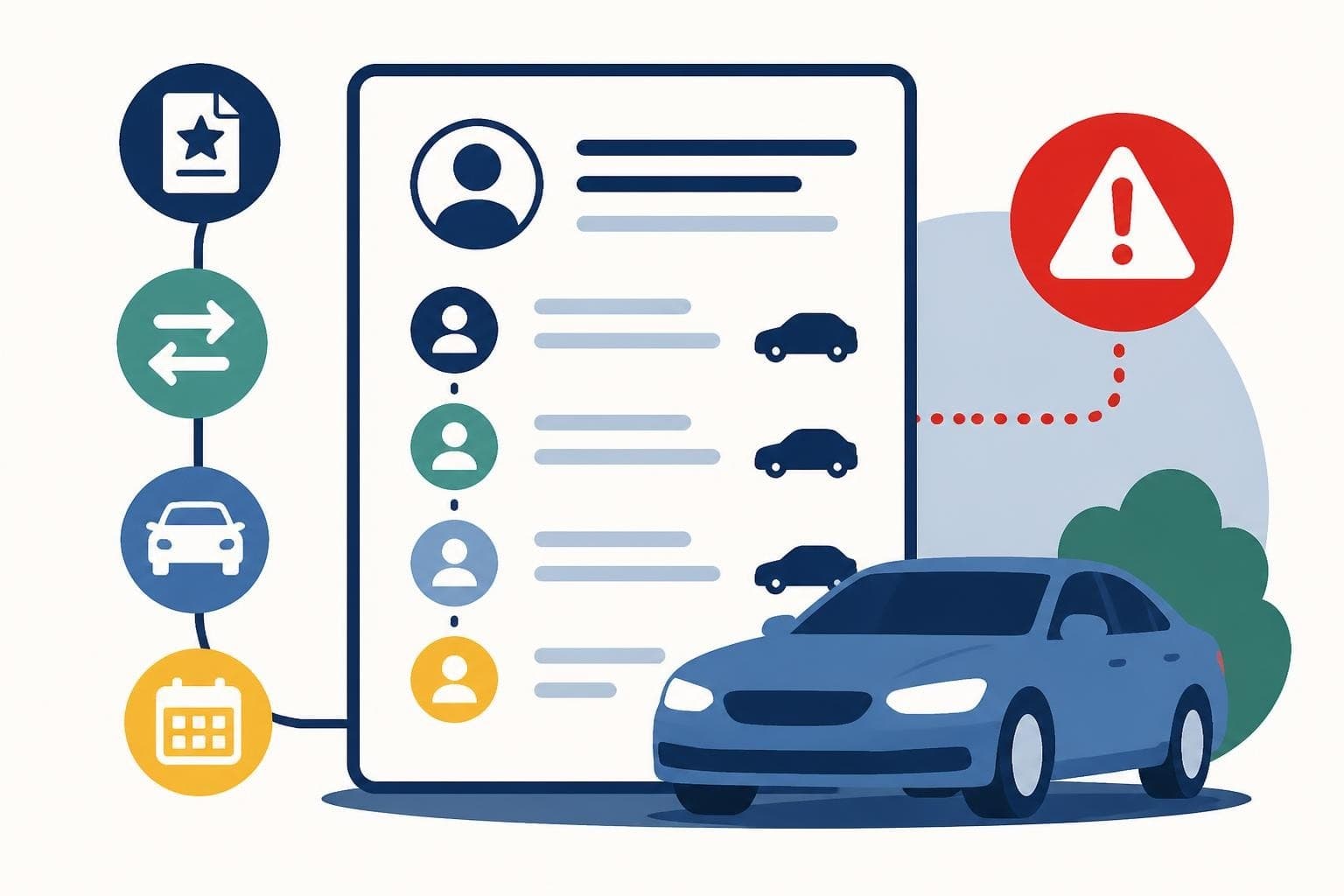
Buying a used car means inheriting its entire history, and that history starts with ownership. An ownership car check reveals who owned the vehicle before you, how many times it changed hands, and whether those transfers happened cleanly. Skipping this step can leave you stuck with a car that has title problems, hidden liens, or a past that doesn't match the seller's story. Understanding ownership records protects your investment and prevents expensive surprises down the road.
Why ownership history matters more than you think
Most buyers focus on accident damage and mileage when checking a used car. Ownership records tell a different story about how the vehicle was used and cared for.
A car with many owners in a short time raises questions. Five owners in three years suggests problems that keep pushing people to sell. One or two owners over a decade indicates satisfaction and likely better maintenance.
Ownership records also expose rental and fleet use. These vehicles rack up hard miles from multiple drivers who have no stake in long-term care. A former rental that spent two years in Florida sun and tourist abuse will age differently than a single-owner commuter car.
What an ownership car check actually reveals
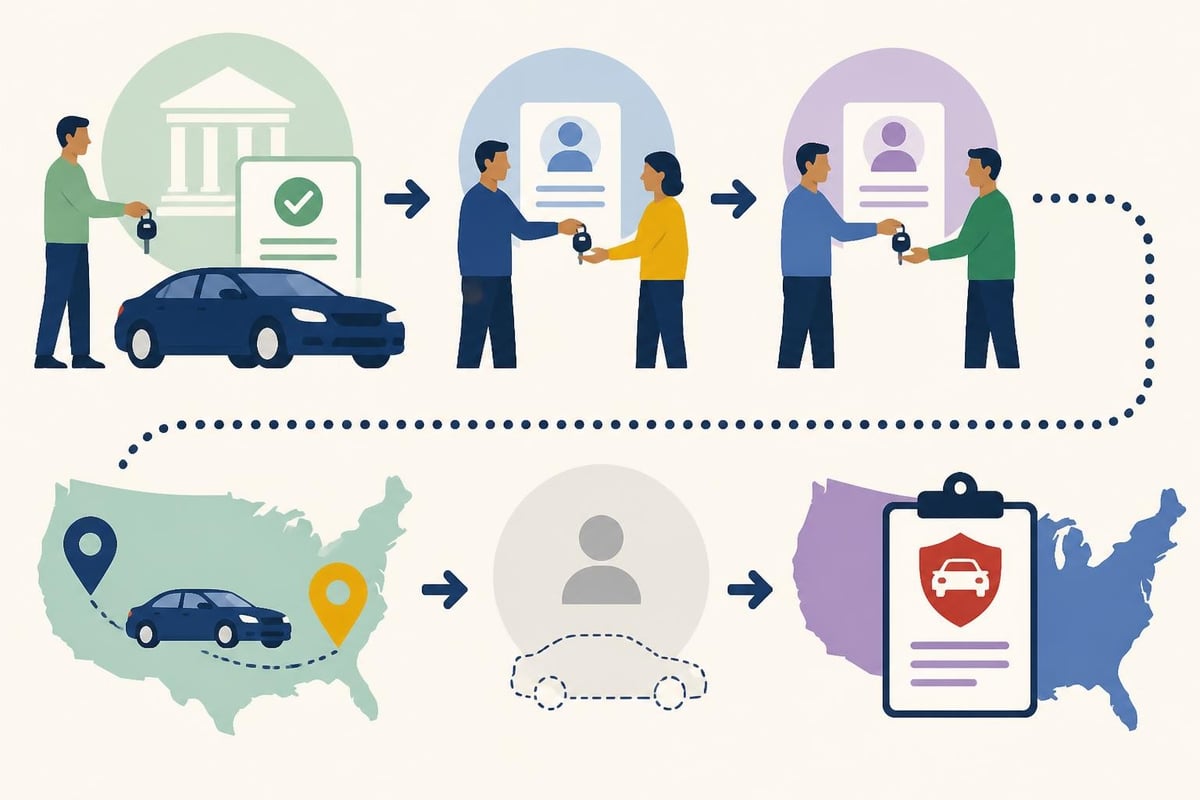
When you run an ownership check, you're looking at the vehicle's custody chain. Each state maintains title records that show when ownership transferred, where the car was registered, and what type of use it saw.
Number of previous owners and how long each kept the car
Registration locations showing which states titled the vehicle
Owner type distinguishing personal, fleet, rental, lease, or commercial use
Title transfer dates revealing gaps or rapid sales
Title brands like salvage, rebuilt, or flood that follow the car forever
The National Motor Vehicle Title Information System connects state DMV databases to create a federal record of title events. This system catches title washing, where sellers move cars across state lines to hide brands like salvage or flood damage.
Reading ownership patterns that signal problems
Smart buyers know that ownership history contains patterns, not just numbers. A vehicle history report shows these patterns clearly when you know what to look for.
Rapid ownership turnover
When a car changes hands every six to twelve months, something drives people away. Mechanical issues, recurring problems, or undisclosed damage often hide behind frequent sales. Sellers sometimes flip problem cars quickly to stay ahead of major failures.
Compare two scenarios:
Ownership Pattern Red Flag Level Likely Meaning 1 owner, 8 years Low Well-maintained, satisfied owner 4 owners, 2 years High Hidden problems, dissatisfaction 2 owners, 10 years Low Normal turnover, careful use 6 owners, 3 years Very High Serious underlying issues
Check the time between sales. One month between owners suggests a dealer flip or a buyer who immediately discovered a problem and resold.
Geographic movement and title washing
Following a car's registration locations exposes title washing schemes. A vehicle titled in New York, then Georgia, then back to New York within a year deserves scrutiny.
Title washing exploits differences in state laws. A car branded salvage in one state might get a clean title in another if the seller knows which states have weak verification. The federal NMVTIS database stops many of these schemes, but older cars or crafty sellers sometimes slip through.
Frequent state changes also suggest fleet or rental use. Rental companies register cars in favorable states regardless of where the vehicles actually operate. A California seller offering a car titled in Delaware might be selling a former rental.
Commercial and fleet ownership flags
An ownership car check distinguishes between personal and commercial use. This matters because commercial vehicles accumulate wear differently than private cars.
Rental and fleet history
Rental cars suffer from aggressive driving, minimal warm-up time, and drivers unfamiliar with the vehicle. A two-year rental stint can age a car like five years of personal use.
Fleet vehicles vary widely in treatment. A company car driven by one sales rep might receive excellent care. A pool vehicle used by rotating employees often gets neglected. Delivery vehicles and taxis see the hardest use of all.
Look for these indicators in ownership records:
Registration to rental companies (Enterprise, Hertz, Budget)
Corporate fleet titles (often registered to LLCs with "Fleet" in the name)
Taxi or livery service registration
Government agency ownership
Police or emergency vehicle history
Lease returns and their implications
Leased vehicles represent a middle ground. Most lessees maintain cars reasonably well to avoid end-of-lease penalties, but they have no long-term investment incentive.
A three-year lease followed by dealer sale is normal. Multiple short leases or a lease that ended early might indicate problems. Check whether the car returned to the dealer at lease end or got sold privately, which sometimes suggests damage the lessee wanted to avoid reporting.
Title brands and ownership complications
Title brands permanently mark a vehicle's record when certain events occur. These brands follow the car through every ownership transfer and dramatically affect value and insurability.
Common title brands you'll encounter
Salvage titles mean an insurance company declared the car a total loss. Repair costs exceeded a percentage of the vehicle's value, typically 70-90% depending on the state. Once branded salvage, the title never goes completely clean, even after repairs.
Rebuilt or reconstructed titles indicate a salvaged vehicle that someone repaired and a state inspector approved for road use. These cars are legal to drive but carry reduced value and can be harder to insure or resell.
Other brands include:
Flood damage from water intrusion, often after hurricanes
Hail damage when repair costs exceed thresholds
Lemon law buyback after manufacturers repurchase defective vehicles
Junk or parts only for vehicles deemed unrepairable
Odometer rollback or tampering for confirmed mileage fraud
The Texas DMV explains title brands and how they protect buyers from unknowingly purchasing damaged vehicles. These brands exist specifically to create ownership transparency.
How to perform a thorough ownership car check
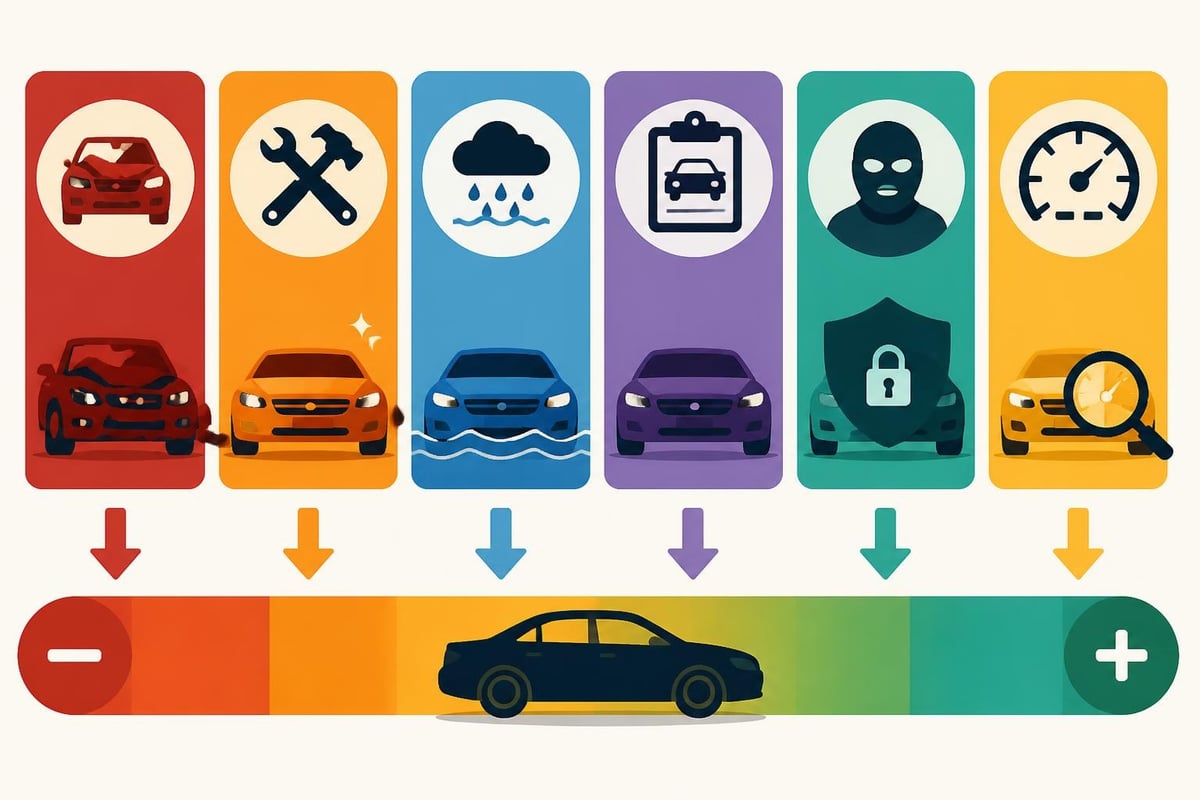
Running an effective ownership car check requires multiple steps. No single source captures every detail, so smart buyers layer information from several tools.
Start with the VIN
Every ownership check begins with the vehicle identification number. This 17-character code uniquely identifies the specific car you're researching.
Verify the VIN matches the vehicle. Check the dashboard, driver's door jamb, and title document. Mismatched VINs indicate title fraud or VIN cloning scams.
Validate the VIN format. Use a VIN validator to confirm the number follows proper structure. Invalid VINs suggest data entry errors or fraudulent listings.
Decode the VIN basics. A free VIN decoder confirms year, make, model, and engine. This catches cars misrepresented in listings.
Pull a complete vehicle history report
A full vehicle history report compiles ownership records from state DMVs, insurance companies, and service facilities. These reports show the complete ownership timeline with dates, locations, and title events.
When reviewing ownership sections, look for:
Exact number of previous owners and whether any were commercial
Length of each ownership period to identify quick flips
State-by-state registration showing geographic movement
Any title brands that affect value and safety
Gaps in the timeline where the car might have been unregistered
Many buyers wonder about report cost, but affordable options make this research accessible for any purchase. Reports arrive quickly, usually within a minute, giving you ownership information before making an offer.
Cross-reference with public records
Government databases supplement commercial reports. The NMVTIS system provides federal title records, while state DMV websites often offer title verification tools.
Check for open recalls through the NHTSA recall database. Unrepaired recalls sometimes explain why previous owners sold quickly. Safety recalls get fixed free at dealers, so checking before purchase reveals whether you're inheriting a known problem.
Consumer Reports recommends combining vehicle history reports with in-person inspections and test drives for complete due diligence.
Red flags in ownership records
Certain ownership patterns should stop a purchase immediately or trigger deeper investigation. These red flags appear in vehicle history reports and public records.
Ownership gaps and missing periods
When a car disappears from registration records for months or years, question where it went. Extended gaps might indicate:
Storage after major damage while awaiting repairs
Out-of-state registration not captured in all databases
Illegal use without registration
Export and reimport across borders
Abandonment and later recovery
Recent gap followed by immediate sale is particularly suspicious. Sellers sometimes hide cars after accidents, repair them informally, then sell before problems surface.
Inconsistent mileage across owners
Mileage should increase steadily across ownership transfers. Numbers that jump backward or show impossible increases suggest odometer rollback or reporting errors.
Watch for mileage that increases too slowly. A ten-year-old car with 30,000 miles might have rolled-back odometer or spent years in storage. Both scenarios raise value and condition questions.
Title problems and lien issues
Active liens on a title mean someone else has a financial claim on the vehicle. Buying a car with an outstanding lien can leave you unable to get a clear title until the debt clears.
Verify lien status before purchase. Checking for liens protects you from sellers who still owe money on the car or used it as loan collateral.
Multiple title transfers within weeks suggest curbstoning, where unlicensed dealers pose as private sellers. These illegal dealers flip cars without disclosing problems or honoring any recourse.
Special ownership considerations by vehicle type
Different vehicles require different ownership scrutiny. A sports car's ownership history tells a different story than a family SUV's record.
High-performance and luxury vehicles
Sports cars and luxury vehicles often see enthusiast ownership followed by expensive repairs. A Porsche with six owners in five years likely experienced hard driving and costly maintenance that pushed owners to sell.
Luxury car ownership history reveals maintenance commitment. These vehicles require dealer service and premium parts. Owners who skimped on maintenance often appear as short-term holders before major service intervals.
Trucks and commercial vehicles
Pickup trucks blur the line between personal and commercial use. A truck titled to a construction company endured job-site abuse different from weekend hauling.
Check for:
Business names in ownership history
Registration in states far from the seller
Commercial insurance records
High annual mileage compared to calendar time
Classic and collector cars
Older vehicles present ownership tracking challenges. Pre-digital title records might not appear in databases, creating apparent gaps.
Enthusiast ownership actually helps classic cars. An ownership car check showing car club members or long-term collectors suggests proper storage and maintenance. Quick ownership changes in classics often indicate hidden rust, mechanical problems, or disputed authenticity.
What ownership checks can't tell you
Understanding ownership limits helps set realistic expectations. History reports show what happened, not the current condition.
Current mechanical state
Ownership records don't reveal present mechanical problems. A single owner who maintained nothing produces different results than five owners who each serviced the car religiously.
Combine ownership research with mechanical inspection. The IIHS provides guidance on evaluating vehicle safety and condition beyond just paperwork. A pre-purchase inspection by a trusted mechanic remains essential regardless of ownership history.
Unreported accidents and repairs
Not every accident appears in ownership records. Minor damage repaired privately bypasses insurance companies and police reports that feed history databases.
Sellers sometimes fix damage themselves between ownership transfers. These repairs won't show in the vehicle history but might be visible to a trained inspector.
True maintenance history
Ownership checks show some service records, but comprehensive maintenance history requires receipts and dealer records. Previous owners might have changed oil religiously or neglected basic service while ownership records show only the transfers.
Making the ownership decision
After reviewing ownership history, decide whether the vehicle meets your standards. Clear patterns make some decisions obvious.
Green light ownership profiles
Single owner vehicles with long holding periods represent the safest bet. Someone who kept a car for eight years likely experienced no major problems and maintained it properly.
Two to three owners over a vehicle's lifetime is normal. People move, change family sizes, or simply want different vehicles. This pattern doesn't raise concerns if ownership periods were reasonable and no title brands appear.
Yellow light profiles requiring investigation
Fleet and rental history demands closer inspection. These vehicles can be fine if recent ownership was personal and a mechanic finds no unusual wear. But approach with caution and negotiate price accordingly.
Multiple geographic moves or ownership in states known for flood events warrant extra scrutiny. Hurricane-prone states like Florida, Louisiana, and Texas see flood-damaged cars that sometimes get cleaned up and resold elsewhere.
Red light profiles to avoid
Any vehicle with salvage or flood title brands should be avoided unless you're a experienced buyer who understands the risks and repairs needed. These cars face insurance difficulties, reduced resale value, and higher breakdown probability.
More than four or five owners in a short span indicates problems that keep pushing people to sell. Walk away unless the price reflects serious risk and you have mechanical expertise to evaluate the vehicle thoroughly.
An ownership car check forms the foundation of smart used car buying, revealing patterns that protect you from expensive mistakes and hidden problems. By understanding who owned the vehicle, how they used it, and what title events occurred, you make informed decisions backed by facts instead of seller promises. Carfax Vin Check makes this research affordable and fast, delivering detailed ownership history, title records, and accident reports for US and Canadian vehicles so you can buy with confidence.
Check the car before you buy it
The full Carfax report for $7.99, or $3.70 each in a 20-pack.